
Planning a trip to Japan’s vibrant capital? This Tokyo itinerary is your complete guide to experiencing the best of Tokyo in 3 days! Whether you’re searching for the perfect Tokyo itinerary for first-time visitors or want a detailed day-by-day Tokyo travel itinerary, this guide covers everything from the iconic Shibuya Crossing to hidden gems in Harajuku.
Day 1: Shibuya & Harajuku
Shibuya Crossing
Start your Tokyo adventure at the world’s busiest pedestrian crossing, where about 2,500 people cross at one time.

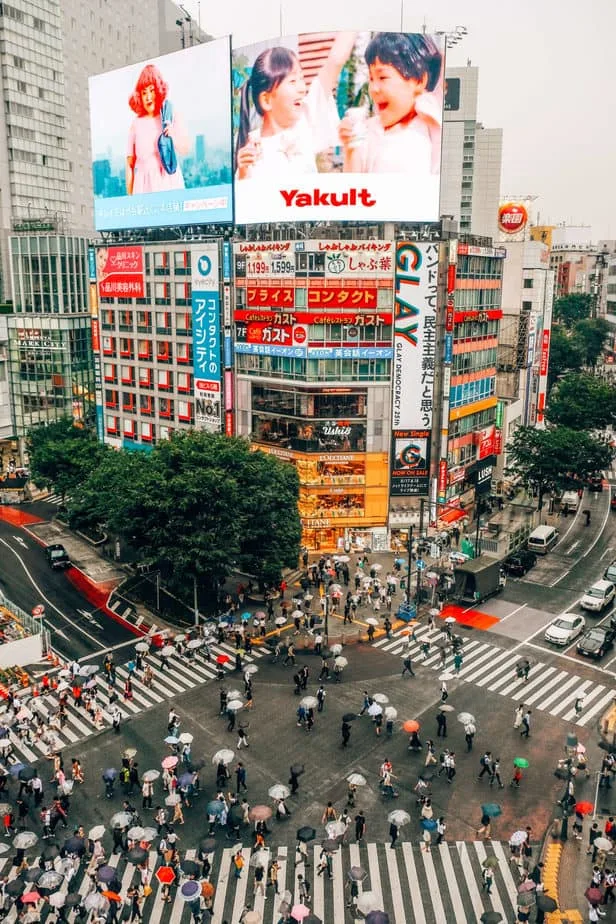
For the best view from above, visit Mag’s Park (600 Yen) or grab a seat at a cafe on the highest floor of the Magnet Building. Other free viewing options include the Starbucks or from inside the metro station.


Insider Tip: If Mag’s Park is closed (it depends on weather and wind conditions), you can grab a seat at a cafe on the floor below. Be prepared – one Diet Coke might cost about $13, but the view is worth it! To avoid glare in your photos, use a jacket to cover the reflection on the window.


Pro Tip: Visit Shibuya on Fridays & Saturdays around 5 pm to see it at its busiest!
Conveyor-Belt Sushi
Experience some of the cheapest and best sushi in Tokyo at conveyor-belt restaurants. The two best ones are right outside Shinjuku station.
Harajuku
Walk through this trendy neighborhood filled with cute stores. Walking from Shibuya is recommended since there’s so much to see along the way.
Word of Caution: If you search “Harajuku” on Google Maps, you’ll see many different places – the whole area is called Harajuku! Make sure to mark specific spots to avoid wandering around aimlessly. Don’t miss Harajuku Gyoza Lou for authentic Japanese gyoza (pot-stickers) – it costs only 626 Yen ($5.89) for 6 pieces.They open at 11:30 am, so plan accordingly.
Takeshita Street
Explore this famous shopping street starting from Santa Monica Crepes and ending near Harajuku Metro Station.This pedestrian-only street is basically a sensory overload in the best way possible! Think colorful shops bursting with kawaii (cute) culture, trendy fashion boutiques, quirky character goods stores, and more crepe stands than you can count.
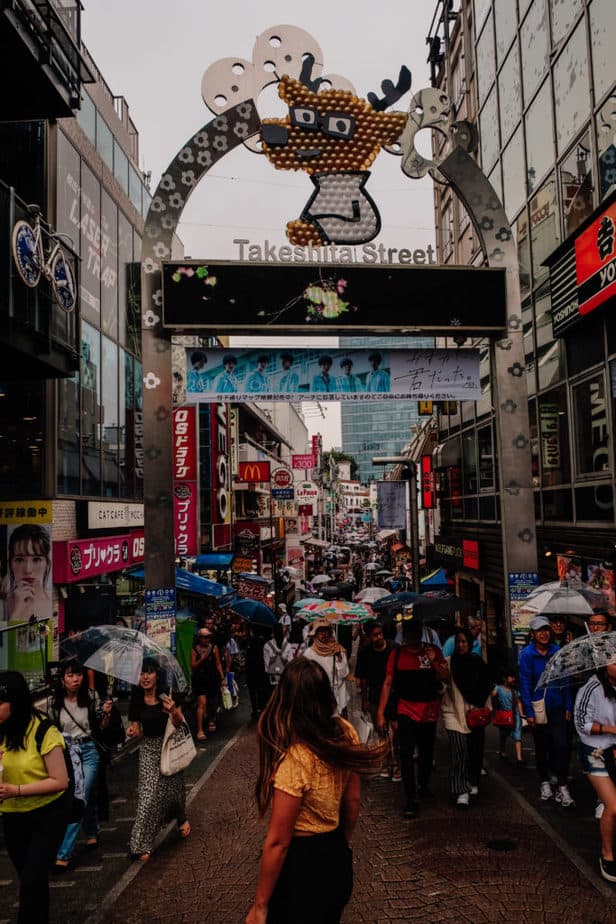

The street is famous for its over-the-top decorated crepes piled high with whipped cream, fruit, and candy – perfect for that Instagram shot! You’ll also find tons of accessory shops, purikura photo booths, and unique fashion pieces you won’t see anywhere else.


Timing tip: Takeshita Street gets PACKED on weekends, especially in the afternoon. If you want to actually move and breathe, aim for a weekday morning. Budget-wise, crepes run about 500-800 yen, accessories can be as cheap as 100 yen, and clothing ranges from affordable fast fashion to pricier boutique pieces.

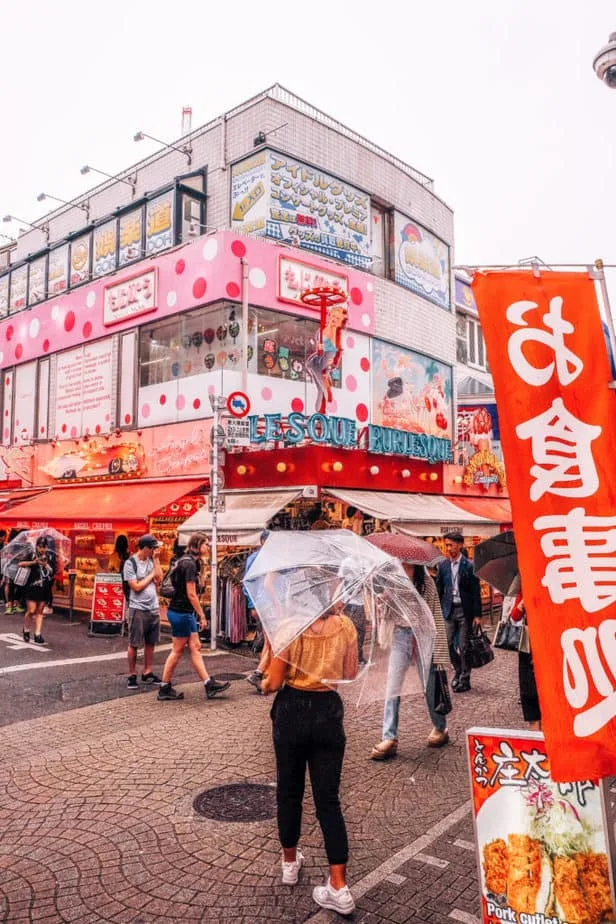
Plan to spend 1-2 hours here if you want to browse properly – trust me, you’ll want to pop into every shop! Don’t forget to snap a photo at the iconic entrance arch with the “Takeshita Street” sign.
Meiji Jingu Shrine
Visit this peaceful shrine surrounded by a large park. It’s amazing how this tranquil space exists in the middle of such a bustling city.And the best part? It’s completely free to enter!
Here’s what makes Meiji Jingu special: You’ll start by walking through a massive torii gate (made from 1,500-year-old cypress wood – how crazy is that?!), then take a peaceful 10-15 minute stroll through a lush forest before reaching the main shrine. It genuinely feels like you’ve left Tokyo completely, even though you’re still in the middle of Harajuku.
Once you arrive, you’ll see those famous stacked sake and wine barrels that make for incredible photos. The shrine itself is dedicated to Emperor Meiji and Empress Shoken, who helped modernize Japan in the late 1800s.
Shrine etiquette 101: Stop at the purification fountain (temizuya) near the entrance to wash your hands and mouth before approaching the shrine. When you reach the main hall, bow twice, clap twice, make your wish or prayer, then bow once more. Don’t worry if you forget – just watch what others are doing!
If you visit in the morning, you might even catch a traditional Shinto wedding procession, which is absolutely stunning to witness. The bride and groom are dressed in full traditional attire, and it’s such a special moment.
Budget about 30-45 minutes for the full experience – the walk in, exploring the grounds, and the walk back out. Pro tip: Go early in the morning if you want that serene, spiritual vibe without the crowds.

Shibuya at Night
Return to Shibuya after dark to experience the dazzling neon lights. This is Tokyo’s Times Square! If you’re lucky enough to visit when it’s raining, the reflection of lights in the puddles is absolutely gorgeous!


Day 2: Tokyo Tower & Shinjuku
Tokyo Tower
Visit Tokyo’s iconic red tower (inspired by the Eiffel Tower). You can pay to go to the top or simply enjoy the views from outside. Fun fact: It’s actually orange and white (for aviation safety regulations), not pure red like everyone thinks!


Standing at 333 meters tall, Tokyo Tower was built in 1958 and held the title of Japan’s tallest structure until Tokyo Skytree swooped in and stole the crown. But honestly? Tokyo Tower has way more charm and nostalgia.


If you decide to go up, there are two observation decks: the Main Deck at 150 meters (around 1,200 yen) and the Top Deck at 250 meters (additional fee). On clear days, you can actually spot Mt. Fuji in the distance! The views are incredible whether you visit during the day or night, but sunset is the sweet spot where you get the best of both worlds.
That said, some of the best photos of Tokyo Tower are actually from the ground. Head to nearby Zojoji Temple for those iconic shots with the temple in the foreground, or wander through Shiba Park for different angles. The tower lights up at night with different seasonal colors, which is absolutely stunning.
At the base, there’s FootTown with shops, restaurants, and even a One Piece theme park if you’re into anime. If you do go to the top, budget about 30 minutes to an hour for the full experience – taking in the views, snapping photos, and maybe grabbing a snack.
Tsukiji Fish Market/Toyosu Fish Market (Optional)
If you’re up for an early morning, visit the fish market for incredibly fresh sushi and possibly catch the famous tuna auction. The original Tsukiji market moved to Toyosu in 2018, but both locations offer an authentic fish market experience.
The famous tuna auction starts super early (around 5:30 AM), and you’ll need to reserve a spot in advance if you want to watch.
Even if you skip the auction, the outer market has amazing fresh sushi restaurants and street food vendors – this is where you’ll get some of the freshest seafood you’ve ever tasted. Just be warned: it’s an early morning adventure, so you’ll need to decide if it’s worth sacrificing sleep for!
Additional spots if you have time:
- Tokyo Skytree
- Imperial Palace
Shinjuku at Night
Experience the best neon lights in Tokyo at Shinjuku, especially on Kabukicho Ichibanyai street. Other highlights include:

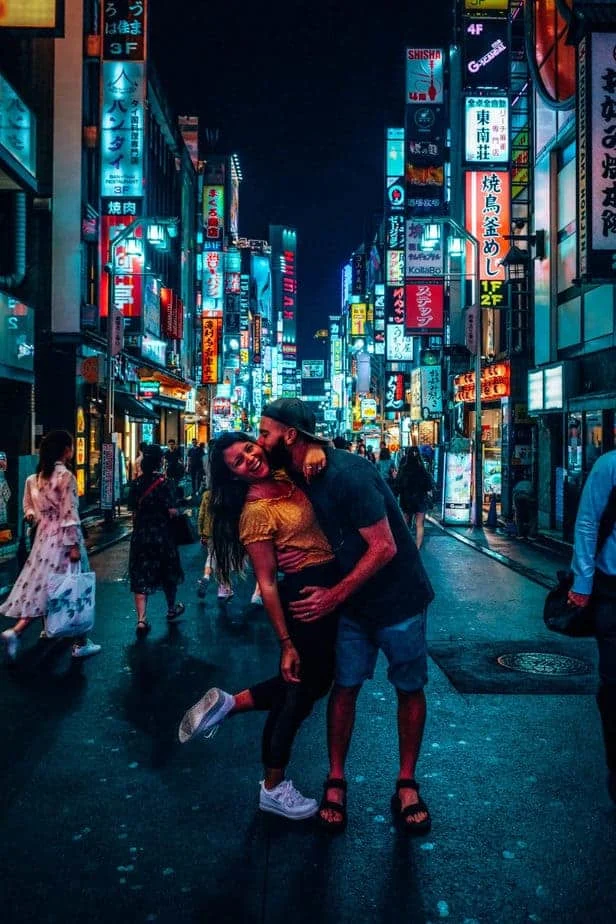

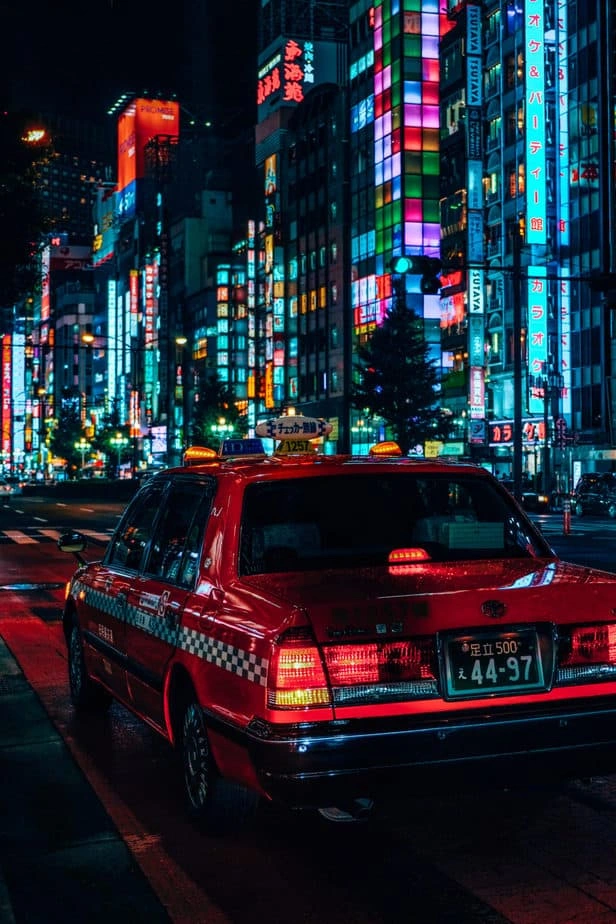
- Omoide Yokocho (alley filled with stores)
- Tokyo Metropolitan Government Building (Free Observation Deck)
- Robot Restaurant – While it’s expensive (about $80 per person) and many reviews say it’s not worth the money, it’s still fun to see the outside!
Day 3: Asakusa & Akihabara
Nakamise Shopping Street & Senso-ji Temple
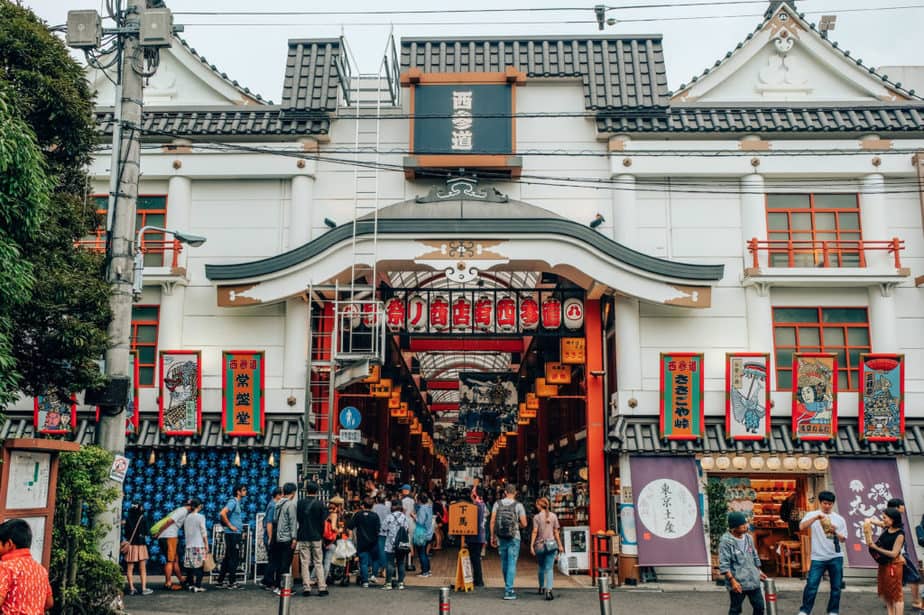
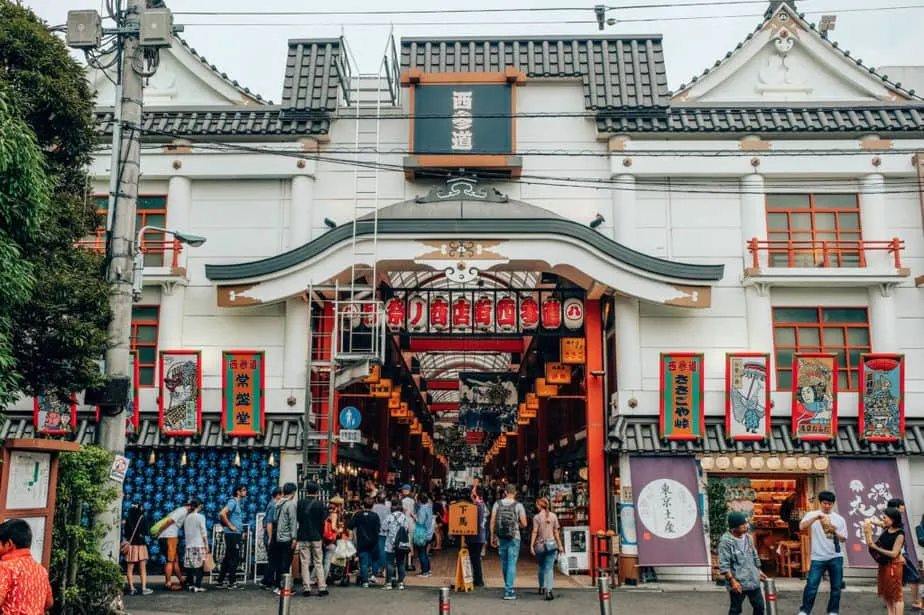
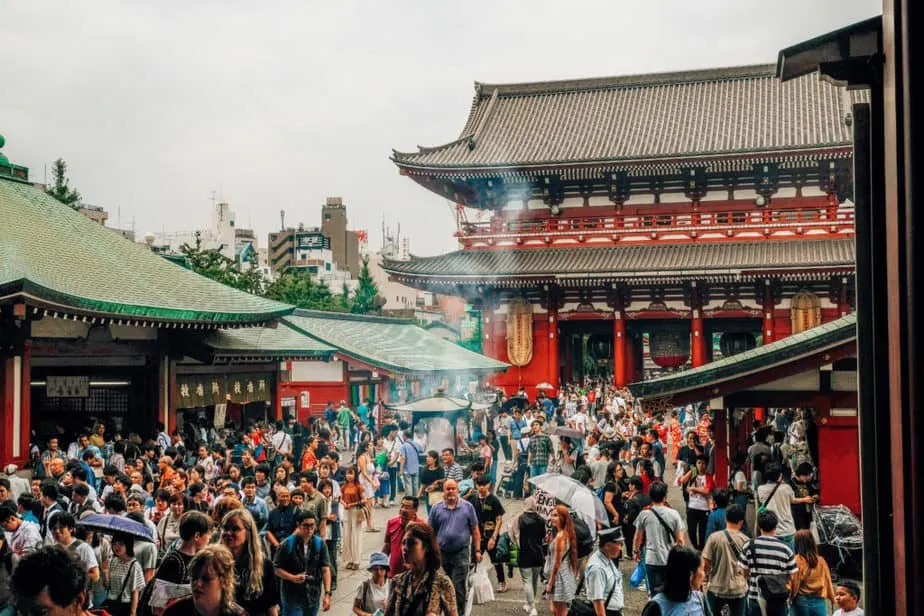
Start at Asakusa Station and explore this area packed with street vendors, traditional shops, and Tokyo’s oldest temple. Walk down Nakamise Street towards the Hozomon Gate, which leads directly to Senso-ji Temple. You can easily spend hours shopping and hopping from vendor to vendor.


Don’t miss walking to the nearby river for beautiful city views!


Akihabara at Night
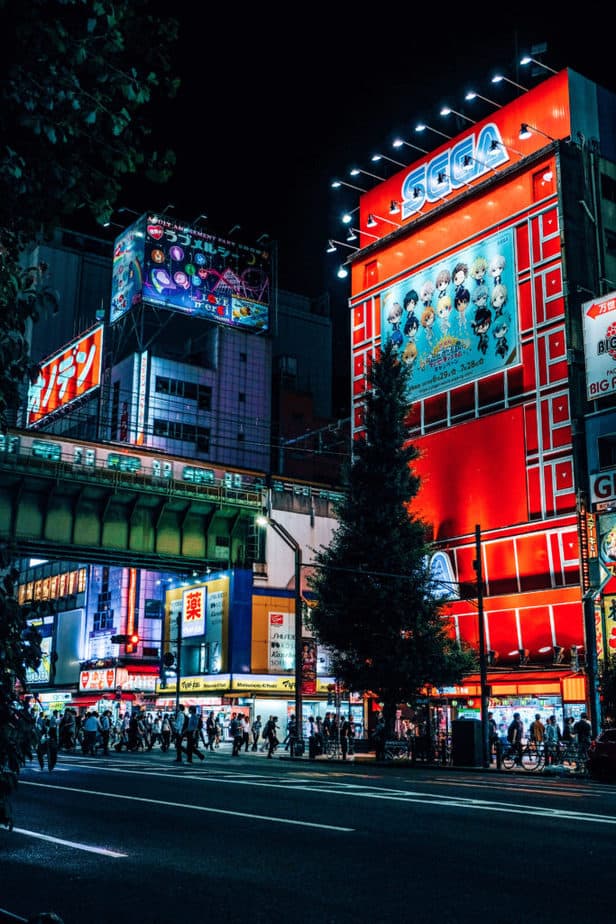
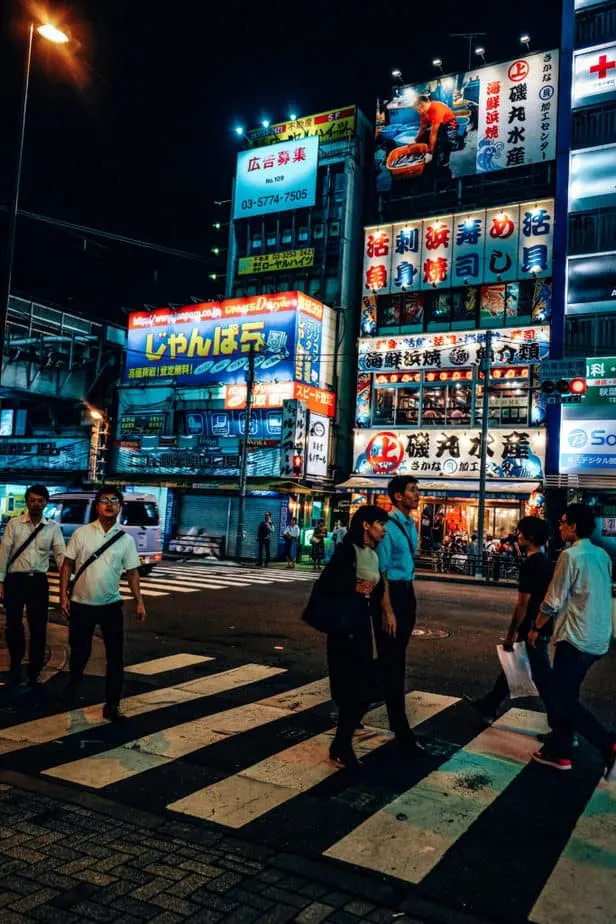
End your Tokyo adventure in the video game capital, also known as Akihabara Electric Town. Hop from video game stores to arcades filled with claw machines, and experience the vibrant neon-lit streets of this electronic wonderland.

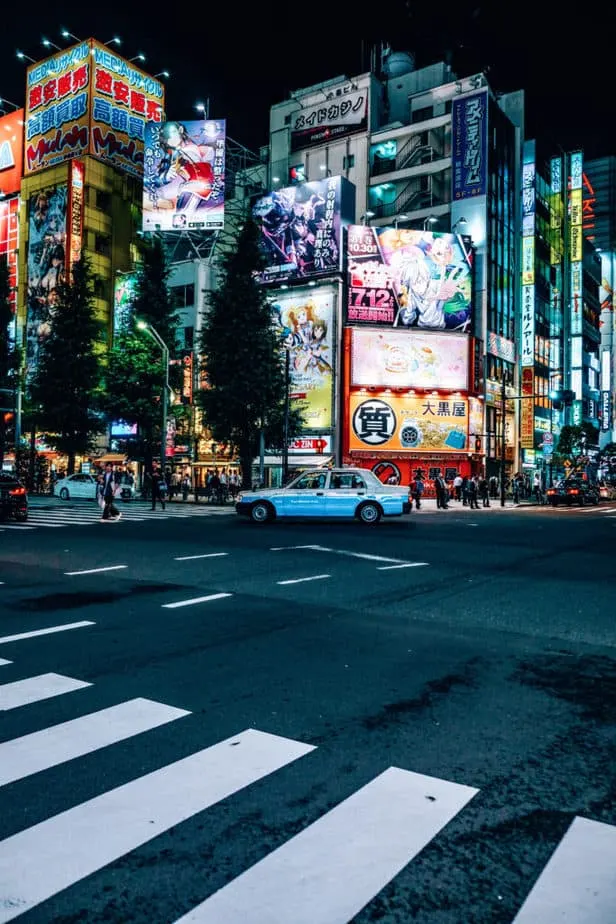
You can hop from video game stores to stores completely filled with claw machines to even the largest s*x store in all of Japan (it’s not for the weak of heart!! It’s called Pop Life Department M’s if you want to go!).



Additional Tokyo Spots Worth Visiting
If you have extra time in Tokyo, consider adding:
- Ueno Park
- Tokyo Skytree for panoramic views
Dayna Brockbank is a travel and language-learning blogger who has lived around the world but has now settled in Nice, France. She speaks 3 languages at varying levels of fluency: Spanish, Italian, and French, and graduated with a Bachelor’s in Spanish Education. She and her husband focus on making travel part of life by living cheaply and traveling on a budget.